The Golden Fleet and Where Industry Fits
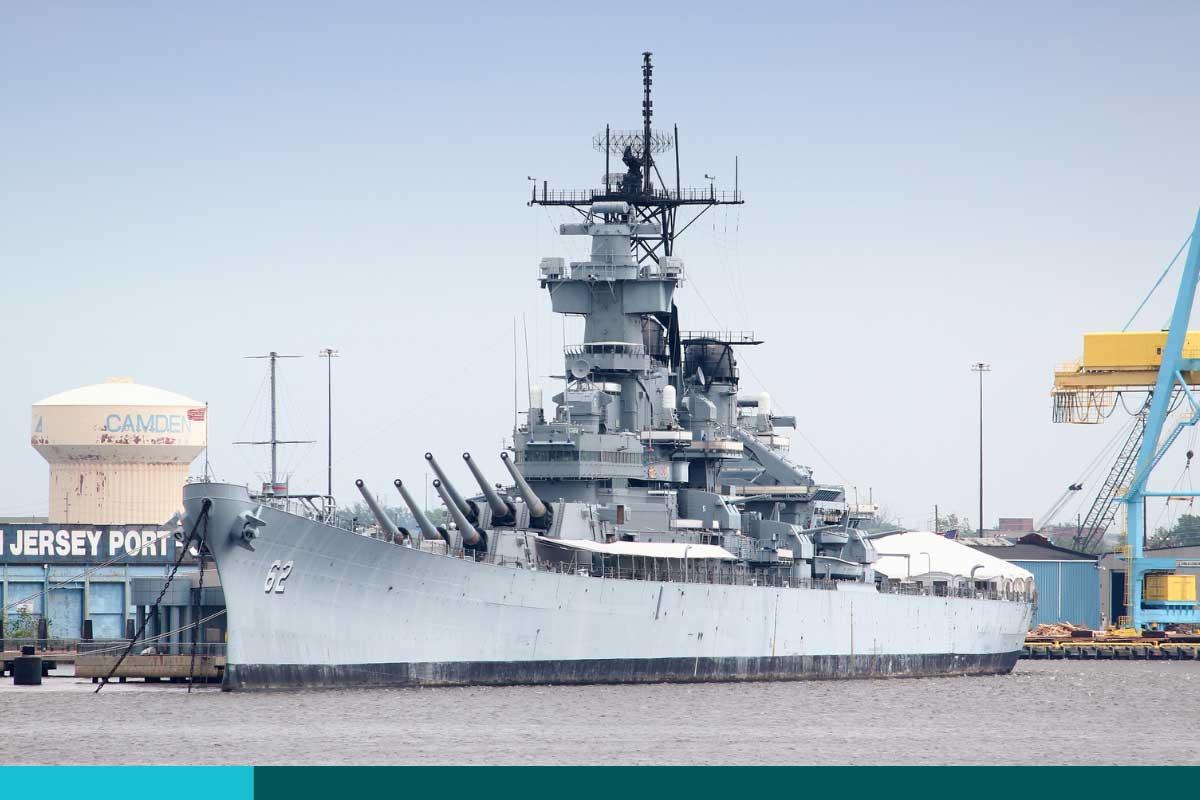
The Golden Fleet, a US Navy initiative introduced by the administration in December of 2025, aims to revitalize the US shipbuilding industry, develop and sustain a new class of naval fleet and change how it does business to rapidly address maritime threats, particularly from China, in the Indo-Pacific region. The first frigate is planned for full operation in 2028.
The Golden Fleet is designed to be class-leading in capability and technology. According to the Congressional Budget Office (CBO), one of the Navy’s first proposed battleships could cost up to $22 billion, making it one of the most expensive US military assets yet. The initiative includes creating 20 to 25 large offensive battleships and smaller unmanned vessels by the project’s completion. Key arsenals for large combatant fleets include hypersonic weapons, directed-energy weapons and railguns. These warships will be equipped with autonomous platforms, bolstered by AI capabilities and embedded cybersecurity to enable rapid and secure decision-making. To obtain these capabilities, the Navy is implementing new acquisition reform, aligning with the DoW’s Acquisition Transformation Strategy, which prioritizes urgency and speed to meet its goals and warfighting requirements.
Software and digital capabilities are to be procured through the Software Acquisition Pathway, prioritizing commercial-off-the-shelf products, Commercial Solutions Openings (CSO) and Other Transaction Authorities (OTA) to shorten contracting cycles. The Naval Information Warfare Center (NIWC) recently established the Rapid Capabilities Office (RCO) to oversee these procurement efforts as well. Under a Commercial Solutions Opening, the RCO released its first opportunity last January to deliver technology quickly to meet the needs of the Navy’s operations. On a broader scale, the Trump Administration announced the Maritime Action Plan to revive the maritime industrial base. The plan creates the Maritime Prosperity Zones (MPZx) to attract investment into new waterfront and inland maritime communities away from existing coastal shipyards. Regions like the Great Lakes are said to have strong geographic advantages because of their existing industrial infrastructure, manufacturing and supplier ecosystems. The Navy’s shipbuilding is further focused on expanding production capacity as well, using Vessel Construction Managers (VCMs) to oversee the acquisition of its new fleet, including the construction management of shipbuilding at existing commercial yards.
What does this mean for vendors and partners? IT companies can expect to see more opportunities released through rapid pathways (RCOs, CSOs and OTAs) with much shorter timelines and greater engagement with the naval contract authority. CSO pipeline will be leveraged heavily, seeking industry participation within the next two years (through Nov 2028). Lastly, the below Areas of Interest (AOIs) emphasize those related to warfighting operations and tech capability requirements industry will likely find opportunity in.
Areas of Interest (AOIs)
- Demands will see growth in AI/ML, autonomous systems, modular weapons systems and network integration layers. AI’s key role will be supporting decision advantage, predictive maintenance and operations in contested environments. Massive volumes of data generated by the GF fleet, sensors and supporting logistics will heighten demands for robust AI/ML products that are programmed for classified, disconnected and threat-laden environments.
- Unmanned systems are integral components of the Golden Fleet and will require sensor technology and mission endurance. Autonomous systems form the basis of these unmanned systems and must integrate with the fleet systems to support logistics, target execution and command and control.
- The push for increased investment in cybersecurity highlights the need for baked-in cybersecurity in manned and unmanned ships to address vulnerabilities during design and engineering stages. IT companies offering offensive/defensive cyber tools will be required to adhere to the zero trust framework, emphasize survivability and resilience across the fleet where adversaries seek to exploit shipboard networks.
- Cloud infrastructure is a fundamental investment. The Navy guideline calls for zero-trust cloud architecture and data platforms that integrate with programs like Project Overmatch (the Navy’s contribution to the DOW’s JADC2 initiative). IT companies offering cloud solutions will also need to integrate with the Navy’s current efforts in modernizing hundreds of its legacy IT systems under the Cattle Drive program.
- The Golden Fleet is an ambitious initiative that will engage shipbuilders, suppliers, vendors and partners. IT companies should pursue partnerships with shipbuilders, primes and regional suppliers to strengthen their solution offerings, expand their collaboration circle and increase capacity reach.
To get more TD SYNNEX Public Sector Market Insight content, please visit our Market Intelligence microsite.
About the Author:
Toan Le is a Senior Market Insights Analyst on the DLT Market Insights team covering DOD and IC domain-centric trends across the Public Sector.
Related Blog Posts