FEMA Reform Recommendations Could Create New Opportunities for State and Local Technology Providers
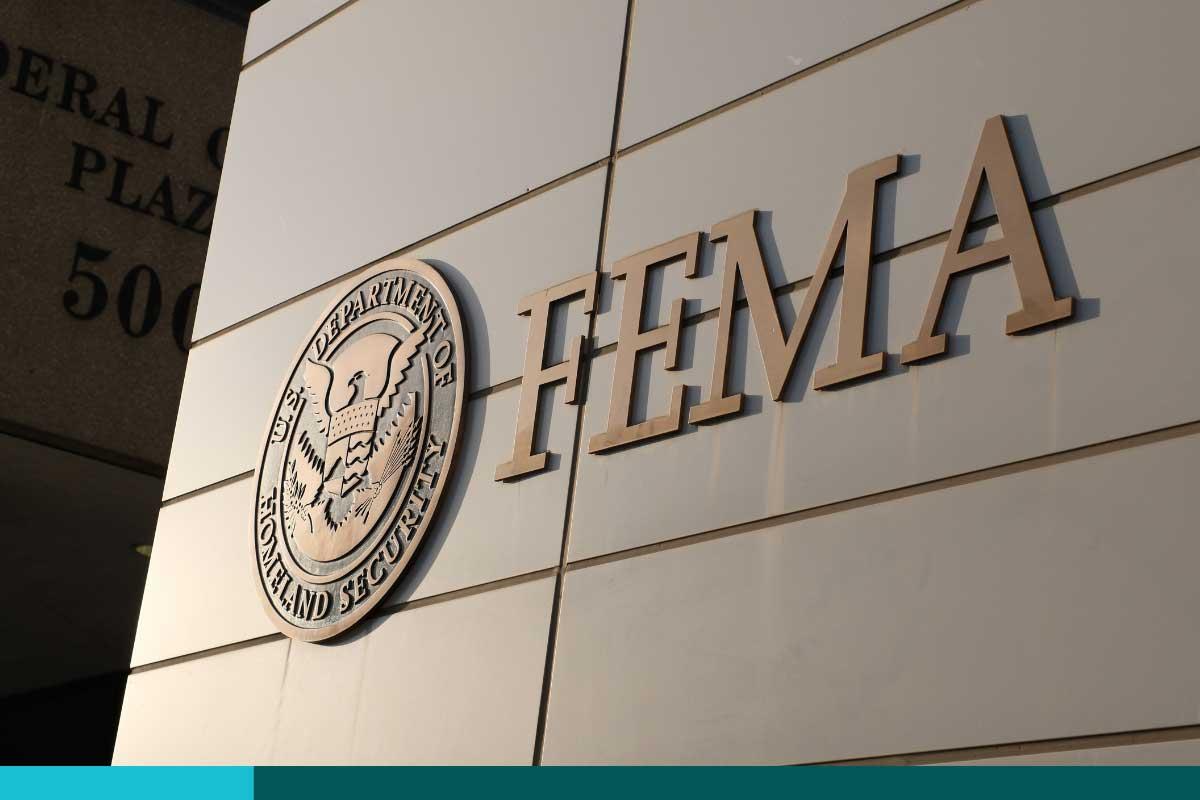
On May 7, 2026, the FEMA Review Council released its final report recommending a substantial shift in how disaster preparedness, response and recovery are managed nationwide. The report, following recent recommendations from the Trump administration, highlights greater state and local responsibility and oversight for emergency management and resilience, with the federal government taking on the role of a "force multiplier" that only steps in when disasters overwhelm local systems.
Many of the report’s most significant recommendations would require Congressional action, including changes to disaster declaration criteria, revisions to FEMA’s grant and assistance programs, adjustments to federal cost-sharing formulas and broader reforms that would transfer more responsibility for disaster response and recovery from the federal government to state and local agencies. The report nevertheless provides valuable insight into the policy direction that could shape downstream public-sector technology investments.
For industry, the recommendations align with growing opportunities for IT solutions that help agencies bolster security, strengthen preparedness and resilience efforts and create more operational efficiencies. As states and localities continue to absorb greater responsibility for disaster planning and recovery, there will likely be increased demand for robust cybersecurity, cloud modernization, data sharing and interoperability platforms, emergency communications systems, GIS technologies and AI-powered analytics that enhance situational awareness and real-time decision-making.
The final report also supports a broader trend already happening across the public sector; agencies are continually being asked to do more with less resources. Technologies that help automate routine processes, improve operational visibility, strengthen critical infrastructure, and accelerate response and recovery efforts are likely to remain key priorities regardless of whether the recommendations are fully adopted.
For vendors and partners, the takeaway here is that emergency management modernization may increasingly become a central theme of state and local conversations. Companies that can demonstrate measurable outcomes, whether through enhanced resilience, efficiency, or more agile recovery capabilities, will be well-positioned to help agencies navigate the future of disaster management.
To get more TD SYNNEX Public Sector Market Insight content, please visit our Market Intelligence microsite.
About the Author:
Yvonne Maffia is the senior analyst covering state, local and education markets. She applies insights and analysis to purchasing trends to help vendors and partners shorten their sales cycles. Prior to joining TD SYNNEX Public Sector, Yvonne spent 8 years working in state and local government, where she oversaw advisory boards across the State of Florida and served as an analyst to a local politician. Yvonne currently lives in Washington, DC.
Related Blog Posts